Slow Provisions: Foraging Along the Apennine Ridges
Documenting how small-scale agronomic collectives are preserving rare botanical strains and centuries-old culinary rituals.
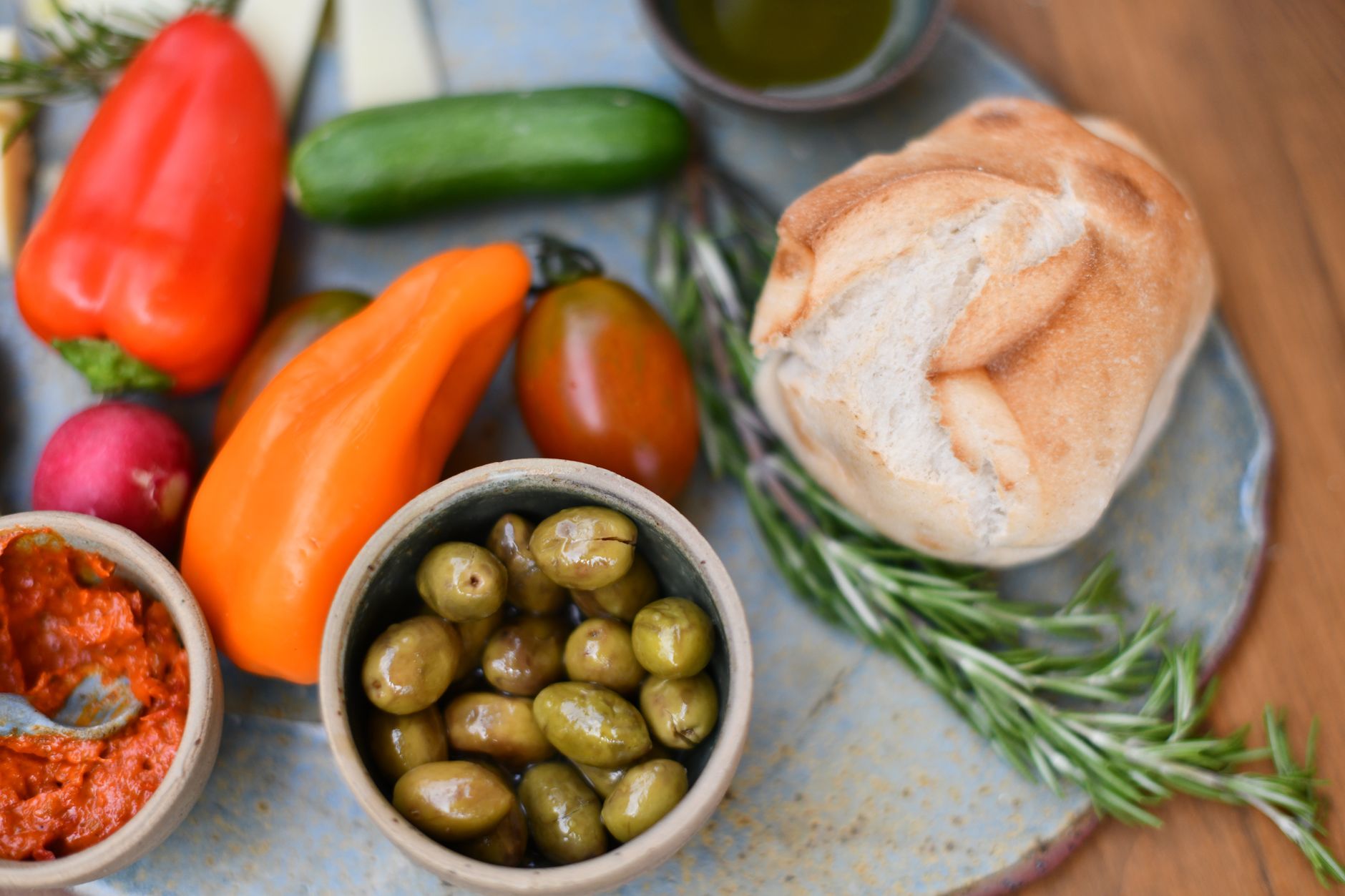
High in the limestone spine of central Italy, the morning mist lifts slowly from terrace rows carved out during monastic stewardship. Here, far above industrialized valley plains, agriculture continues according to soil condition and seasonal cycles rather than supermarket delivery quotas.
The Memory of Heirloom Grains
Our correspondent walked alongside Matteo and Francesca, two botanists who relocated from Florence six years ago to rehabilitate an abandoned medieval water mill. Their focus is not commercial yield, but biological heritage: resurrecting indigenous spelt varieties that flourish in poor, stony soils without synthetic fertilizers.
Bread baked from these grains bears a dense crumb and an earthy, nutty fragrance that modern rapid-rise cultivars have forfeited. In the village bakehouse, heated with dried oak prunings, baking remains a community act rather than an isolated mechanical routine.
“When you eat bread grown on these cliffs, you are taking in centuries of mineral weathering, snowmelt, and ancestral seed-saving.”
Wild Greens and High-Altitude Pastures
In mid-spring, foraging becomes an essential discipline. Across the upper meadows, wild chicory, wild garlic, and bittersweet thistle tips are harvested by hand. Paired with aged sheep's milk pecorino matured in subterranean limestone pits, these modest provisions demonstrate how profound simplicity can be.
For the traveler, stopping in such settlements requires surrender: restaurants do not keep printed menus, and meals depend entirely upon what was gathered before daybreak. It is a lesson in temporal humility that modern travel rarely provides.